GENDER-BASED VIOLENCE AND ECONOMIC JUSTICE
INTERNATIONAL CITIZEN SERVICE (ICS)
6/7/2018
ADVOCACY
Young people have the power to change the world—and the International Citizen Service (ICS) programme is proving just that. By equipping youths with the skills, exposure, and opportunity to serve, ICS is driving real impact in underserved communities across Kwara State, Nigeria, while raising a generation committed to ending global poverty.
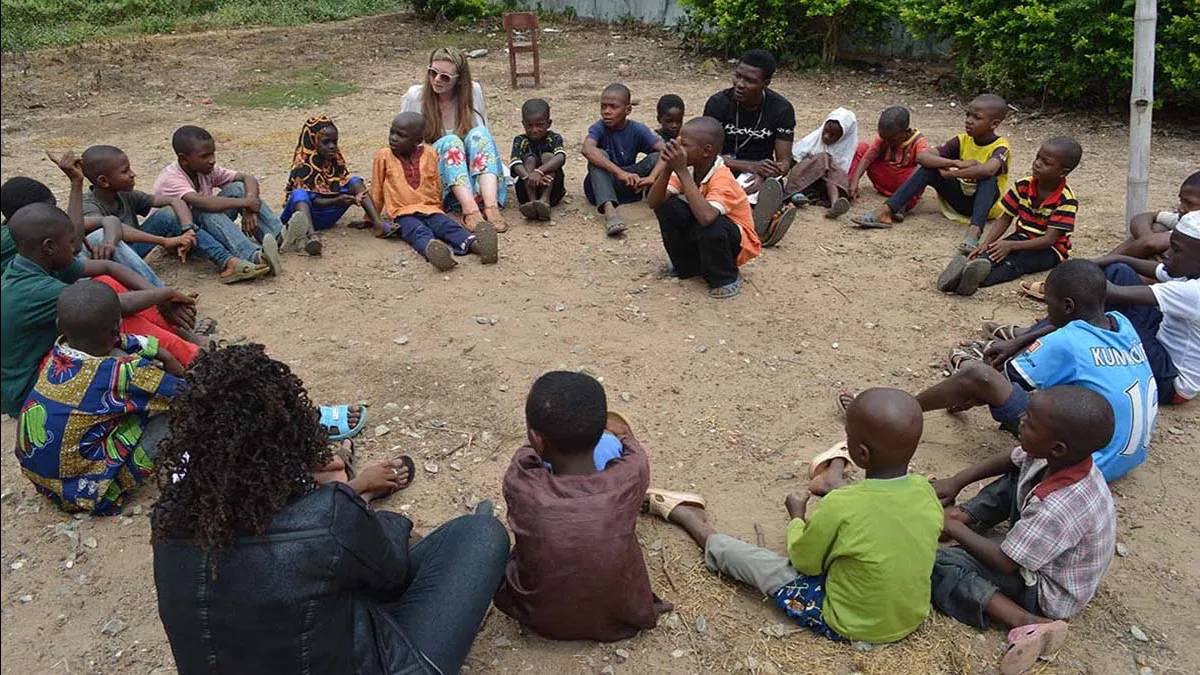
The International Citizen Service (ICS) is a global volunteering programme designed to empower young people from diverse backgrounds to make a meaningful difference in some of the world’s most underserved communities. Launched in March 2011 by the British Prime Minister, the initiative is funded by the Department for International Development (DFID) and implemented through Voluntary Service Overseas (VSO).
ICS provides thousands of young people aged 18 to 25 with the opportunity to contribute actively to the global fight against poverty while developing essential life skills, leadership capacity, and a sense of global citizenship.
In Nigeria, the ICS programme is implemented by VSO Nigeria in partnership with Olive Community Development Initiative (OCDI) in Kwara State. Through this collaboration, the project has reached several communities, including OkeEro LGA (Ilofa, Odo-Owa, and Egosi), Ifelodun LGA (Oke Ode), and Asa LGA (Apata Ajele), with ongoing expansion into more communities.
Objectives
• To promote sustainable community development
• To strengthen youth development and leadership capacity
• To nurture a generation of active and responsible global citizens.
Achievements
Through the dedication of volunteers and the active participation of community members, the ICS programme has recorded significant impact:
• Increased community inclusion and participation in infrastructural development projects
• Introduction of students to basic computer knowledge and digital awareness
• Organization of career aspiration talks to guide and inspire young people
• Engagement of students and communities in extracurricular activities, including sports, to promote social cohesion and well-being
This initiative continues to show that when young people are empowered, they do not just participate in change—they lead it.